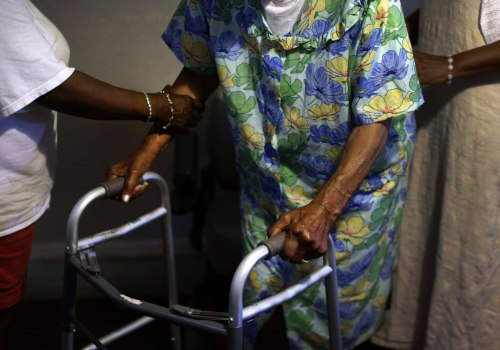
Family caregiving in Florida is a vital aspect of the state's healthcare landscape, providing essential support to individuals who require assistance due to age, illness, or disability. As the population ages, the demand for family caregivers continues to grow, making it increasingly important to understand the legal framework that governs this role. Family caregivers often step in to provide not only emotional support but also practical help with daily activities such as bathing, dressing, meal preparation, and medication management. This selfless commitment can significantly enhance the quality of life for those receiving care.In Florida, the laws surrounding family caregiving are designed to protect both caregivers and care recipients.
Understanding these laws is crucial for families considering this path. For instance, the state offers various programs and exemptions that allow family members to be compensated for their caregiving services. However, navigating these options can be complex, requiring a clear understanding of eligibility criteria and application processes. This is where the expertise of an elder law attorney becomes invaluable.As an elder law expert, I have witnessed firsthand the challenges and rewards that come with family caregiving.
Many families are unaware of their rights and the resources available to them, which can lead to financial strain and emotional stress. By educating families about their options, we can empower them to make informed decisions that benefit both caregivers and their loved ones. This guide aims to demystify the process of getting paid as a family caregiver in Florida, ensuring that families are equipped with the knowledge they need to navigate this essential role effectively.
Eligibility for Payment as a Family Caregiver
Understanding the eligibility requirements for family caregivers to receive payment is essential for those considering this path in Florida. The process can be intricate, but knowing the criteria can significantly ease the journey.Medicaid Eligibility
One of the primary avenues for family caregivers to receive compensation is through Medicaid.
To qualify, the individual receiving care must be a Florida Medicaid beneficiary. This means they must meet specific financial and medical criteria set by the state. Generally, these criteria include:
- Income Limits: The beneficiary's income must fall below a certain threshold, which varies based on household size and other factors.
- Asset Limits: There are also restrictions on the amount of assets a beneficiary can own, excluding certain exempt assets like a primary residence.
- Medical Necessity: The individual must demonstrate a need for assistance with daily living activities, such as bathing, dressing, or meal preparation.
Participant-Directed Option (PDO)
The Participant-Directed Option (PDO) under Medicaid allows eligible beneficiaries to hire family members as caregivers. This program empowers families to manage their care services while ensuring that loved ones receive the necessary support.
To qualify for PDO:
- The caregiver must be a relative of the beneficiary.
- The caregiver must complete any required training or certification programs as mandated by Medicaid.
Other Payment Options
In addition to Medicaid, there are other programs that may provide compensation for family caregivers. For instance, veterans may access benefits through the VA that allow them to hire family members for personal care. However, eligibility for these programs often depends on specific conditions, such as service-related disabilities or income levels.It’s crucial for family caregivers to explore all available options and understand the eligibility requirements thoroughly. Consulting with an elder law expert can provide valuable insights and guidance tailored to individual circumstances, ensuring that families can navigate these complex systems effectively.
Medicaid Programs Supporting Family Caregivers
In Florida, family caregivers can find financial support through various Medicaid programs designed to ease the burden of caregiving.Two significant options available are the Participant-Directed Option (PDO) and the Consumer Directed Care Plus (CDC+) program. Understanding these programs is crucial for families looking to receive compensation for their caregiving efforts.
Participant-Directed Option (PDO)
The Participant-Directed Option allows eligible individuals to manage their own care services, including hiring family members as caregivers. This flexibility is particularly beneficial for those who prefer to receive care from loved ones rather than traditional home health agencies. To qualify for PDO, the individual must be a Florida Medicaid beneficiary and meet specific eligibility criteria.Under this program, family caregivers can be compensated for providing essential non-medical assistance, such as:- Personal care tasks like bathing and dressing
- Meal preparation and planning
- Transportation to appointments
- Household chores and maintenance
Consumer Directed Care Plus (CDC+)
The Consumer Directed Care Plus (CDC+) program is another valuable resource for family caregivers in Florida.Similar to PDO, CDC+ empowers beneficiaries to take control of their care by allowing them to hire family members or friends as paid caregivers. This program is particularly advantageous for those who require ongoing assistance due to chronic illnesses or disabilities.To participate in CDC+, individuals must:
- Be enrolled in Florida Medicaid
- Meet the functional eligibility requirements
- Complete an assessment to determine the level of care needed
- Personal care assistance
- Respite care for family members
- Homemaker services
- Other necessary supports tailored to individual needs
Veterans Benefits and Family Caregiving
For veterans in Florida, navigating the complexities of caregiving can be daunting, especially when it comes to understanding how to leverage veterans benefits to hire family members as caregivers. The U.S. Department of Veterans Affairs (VA) offers several programs designed to support veterans who require assistance with daily living activities, and these can significantly impact the financial aspects of family caregiving.One of the primary avenues available to veterans is the VA Caregiver Program. This program provides support and resources for family members who serve as caregivers for veterans with service-connected disabilities. Under this program, eligible caregivers may receive a monthly stipend, training, and access to healthcare benefits.
To qualify, the veteran must have a serious injury or illness that necessitates personal care services.To participate in the VA Caregiver Program, both the veteran and the caregiver must meet specific eligibility criteria:
- The veteran must be enrolled in the VA health care system.
- The caregiver must provide personal care services for at least six months.
- The veteran's condition must require assistance with activities of daily living (ADLs), such as bathing, dressing, or eating.
Some policies allow for reimbursement when family members provide care, but it’s crucial to review the terms and conditions carefully.In conclusion, veterans in Florida have various options available to them when it comes to hiring family members as caregivers. By understanding the VA's policies and exploring all available benefits, families can ensure they receive the necessary support while providing compassionate care to their loved ones.
Alternative Payment Options for Family Caregivers
While many family caregivers in Florida are aware of the Medicaid Participant-Directed Option (PDO) for receiving payment, there are several alternative payment options that can also provide financial support. Understanding these options can help caregivers maximize their resources and ensure they are compensated for their invaluable services.Assistance Pension Benefit
One lesser-known option is the Assistance Pension Benefit , which is available to veterans and their surviving spouses. This program is designed to assist with the costs of long-term care, including care provided by family members.To qualify, applicants must meet specific income and asset criteria, which can vary based on individual circumstances.The Assistance Pension Benefit can cover a portion of the costs associated with caregiving, allowing family members to receive compensation for their time and effort. It’s essential to gather all necessary documentation and consult with a knowledgeable elder law attorney to navigate the application process effectively.
Long-Term Care Insurance
Another viable option for family caregivers is long-term care insurance. Many policies allow for reimbursement of care provided by family members, depending on the terms of the policy. If your loved one has a long-term care insurance policy, it’s crucial to review the details carefully.Some policies may have specific requirements regarding who can be compensated and what types of services are covered.In some cases, long-term care insurance may reimburse family caregivers for personal care services, such as assistance with daily living activities, meal preparation, or companionship. This can significantly alleviate the financial burden on families while ensuring that caregivers are recognized for their contributions.
Exploring Additional Resources
In addition to these options, families should explore local resources and programs that may offer financial assistance or support for caregivers. Community organizations, non-profits, and state-funded programs often provide valuable information about available benefits and how to access them.By understanding and utilizing these alternative payment options, family caregivers in Florida can find ways to receive compensation for their essential work while ensuring their loved ones receive the best possible care.Training and Resources for Family Caregivers in Florida
Being a family caregiver in Florida can be both rewarding and challenging. To provide the best possible care for your loved ones, it is essential to equip yourself with the right knowledge and skills.Fortunately, there are numerous training programs and resources available to support family caregivers in their journey.
Caregiver Training Programs
- Community Colleges: Many community colleges across Florida offer courses specifically designed for family caregivers. These programs cover essential topics such as personal care, medication management, and communication skills. By enrolling in these courses, caregivers can gain valuable insights and practical skills that enhance their caregiving abilities.
- Online Training: For those who prefer flexibility, online training programs are an excellent option. Websites like Caregiver.org provide a wealth of resources, including webinars and interactive courses that can be accessed from the comfort of home.
- Workshops and Seminars: Local organizations often host workshops and seminars focused on caregiving.
These events not only provide education but also offer opportunities to connect with other caregivers, share experiences, and build a support network.
Resources for Caregivers
- Florida Department of Elder Affairs: This state agency offers a variety of resources for family caregivers, including information on available services, support groups, and financial assistance programs. Their website is a valuable starting point for anyone seeking help.
- Support Groups: Joining a support group can be incredibly beneficial for family caregivers. These groups provide a safe space to discuss challenges, share advice, and receive emotional support from others who understand the unique struggles of caregiving.
- Local Nonprofits: Many nonprofit organizations in Florida focus on supporting caregivers. They often provide educational materials, respite care options, and advocacy services to help families navigate the complexities of caregiving.
Community Support
The importance of community support cannot be overstated.
Engaging with local resources not only enhances your skills as a caregiver but also helps combat feelings of isolation. By participating in community events or connecting with local caregiver networks, you can find encouragement and camaraderie among those who share similar experiences.In conclusion, investing time in training programs and utilizing available resources can significantly improve your effectiveness as a family caregiver in Florida. By enhancing your skills and building a supportive network, you can provide better care for your loved ones while also taking care of your own well-being.
Navigating Legal Considerations as a Family Caregiver
Being a family caregiver in Florida comes with a unique set of legal considerations that are essential to understand. As you take on the responsibility of caring for a loved one, it is crucial to be aware of your rights and obligations under the law.This knowledge not only protects you but also ensures that your loved one receives the best possible care.One of the primary legal aspects to consider is the rights of caregivers. In Florida, family caregivers have the right to be compensated for their services under certain programs, such as Medicaid’s Participant-Directed Option (PDO). However, eligibility for these programs often requires navigating complex regulations and documentation. Understanding these rights can empower you to advocate for yourself and your loved one effectively.Additionally, caregivers must be aware of their responsibilities.
This includes maintaining accurate records of care provided, understanding the medical needs of the individual, and ensuring compliance with any legal agreements or care plans. Failing to meet these responsibilities can lead to legal complications, including potential liability issues.It is also important to recognize when to seek legal advice. Consulting with an elder law attorney can provide invaluable guidance on various matters, including:
- Guardianship and Power of Attorney: Understanding how to establish legal authority to make decisions on behalf of your loved one.
- Medicaid Planning: Navigating the intricacies of Medicaid eligibility and benefits.
- Long-Term Care Insurance: Understanding how insurance policies may cover caregiving services.
- Family Dynamics: Addressing potential conflicts among family members regarding caregiving responsibilities and financial matters.
This proactive approach not only enhances the caregiving experience but also fosters a supportive environment for everyone involved.
Frequently Asked Questions about Family Caregiving Payments in Florida
As family caregiving becomes increasingly common in Florida, many caregivers have questions about the financial aspects of their role. Below are some frequently asked questions that can help clarify the process of getting paid as a family caregiver.1.Can family caregivers get paid for their services in Florida?
Yes, family caregivers can receive compensation for their services. Programs such as the Participant-Directed Option (PDO) under Medicaid allow family members to be paid for providing care. However, eligibility for these programs typically requires that the care recipient is a Medicaid beneficiary.2.What types of services can be compensated?
Compensated services often include non-medical assistance such as:- Personal care (bathing, dressing, grooming)
- Meal preparation
- Housekeeping and laundry
- Transportation to appointments
- Medication management
3.Are there specific programs for veterans?
Yes, veterans may have additional options for compensation through the Department of Veterans Affairs (VA).They can hire family members or friends to provide personal care, which can be deducted from their income, helping them maintain eligibility for other benefits.
4.How do I apply for caregiver compensation?
The application process varies depending on the program. Generally, you will need to:- Determine eligibility based on the care recipient's Medicaid status or other qualifying factors.
- Complete the necessary application forms for the specific program.
- Provide documentation of the caregiving services you will provide.
5.What if I am not eligible for Medicaid?
If you do not qualify for Medicaid, consider exploring other options such as long-term care insurance policies that may cover family caregiving services or local community programs that offer financial assistance to caregivers.Understanding these aspects of caregiver compensation can help alleviate some of the financial burdens associated with providing care to loved ones in Florida. If you have further questions or need assistance navigating these options, consulting with an elder law expert can provide valuable guidance.Conclusion: Empowering Family Caregivers in Florida
In conclusion, navigating the landscape of family caregiving in Florida can be both rewarding and challenging. Understanding the various payment options available is crucial for family caregivers who wish to provide essential support to their loved ones while also receiving compensation for their efforts.Throughout this guide, we have explored several key avenues that can empower family caregivers financially.Firstly, the Participant-Directed Option (PDO) under Medicaid stands out as a significant resource. This program not only allows family members to be compensated for their caregiving services but also promotes a sense of autonomy and control over care decisions. By being aware of eligibility requirements and application processes, caregivers can effectively utilize this option to secure financial support.Additionally, the assistance and assistance pension benefit program offers another pathway for families to receive payment for caregiving services. Although it is limited to certain residents, understanding its parameters can help families explore all available resources.
For veterans, the ability to hire family members through the VA adds another layer of financial relief, ensuring that those who have served our country can receive care from trusted individuals.Moreover, long-term care insurance policies may also cover costs associated with family caregiving, providing yet another potential source of income. It is essential for families to review these policies carefully and consult with insurance representatives to understand what is covered.As we have discussed, becoming a paid family caregiver in Florida involves more than just providing care; it requires knowledge of available programs and resources. Engaging in accredited training programs can further enhance caregivers' skills and confidence, ultimately benefiting both the caregiver and the recipient of care.In summary, empowering family caregivers in Florida means equipping them with the knowledge and resources necessary to navigate financial options effectively. By understanding these pathways, families can ensure that they are not only providing love and support but also receiving fair compensation for their invaluable contributions.